
PIQSY Compare
Coway Airmega Mighty2 vs Coway Airmega Mighty
Choose Coway Airmega Mighty2 AP-1512N if its updated sensor and operating features are a real benefit in your home.
The choice that matters
Is the newer model worth choosing?
Coway reports 240 CFM smoke CADR for Mighty2 and 233 CFM for the original Mighty.
Product comparison
The two models
Product A
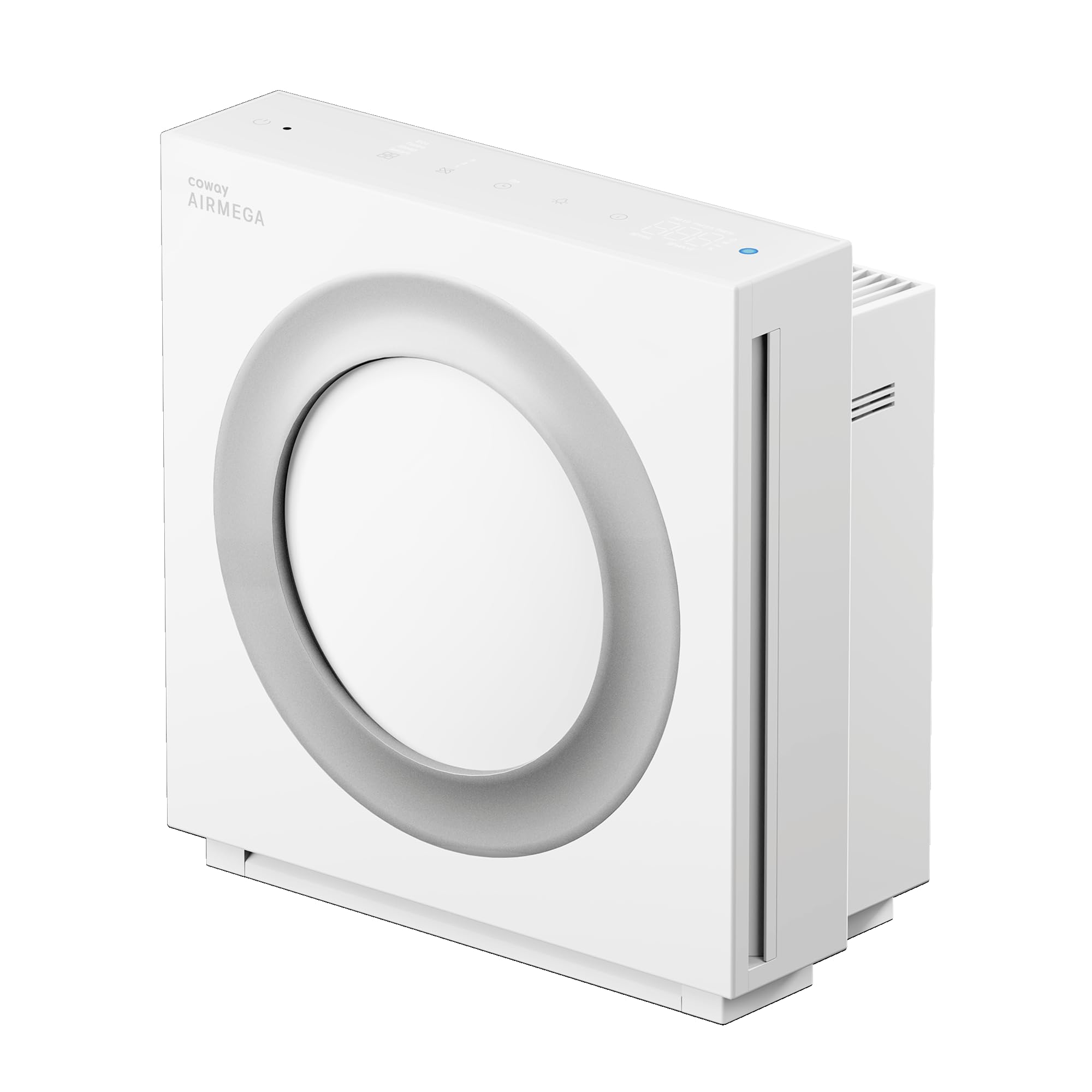
Coway Airmega Mighty2
Best fit: Buyers valuing updated Mighty sensors
Why choose it: Newer sensing and separate maintenance design
Main trade-off: One-ACH area and distinct filters
Last checked price
$269.99
Paid link · PIQSY may earn a commission
Product B
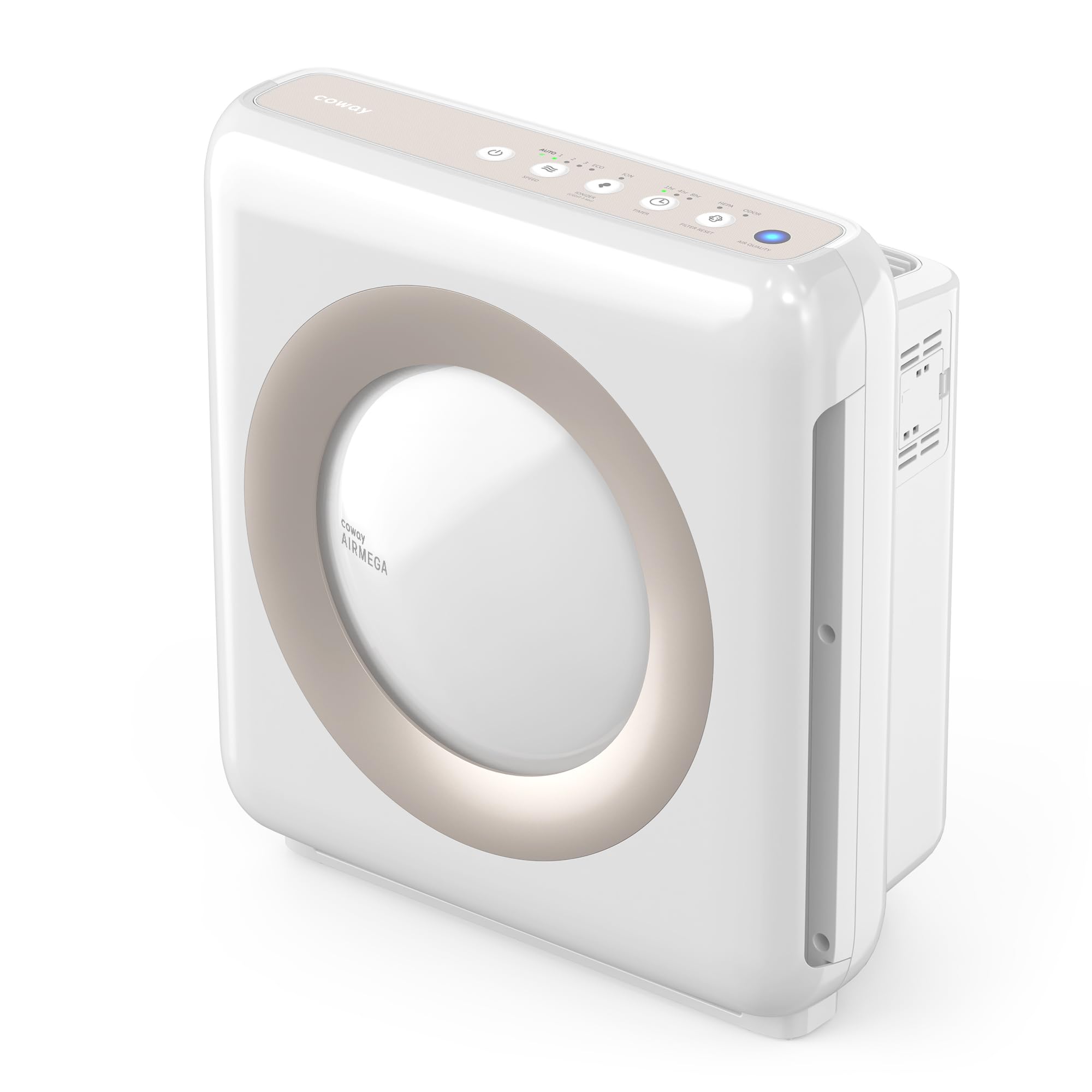
Coway Airmega Mighty
Best fit: Owners preferring original Mighty upkeep
Why choose it: Established medium-room CADR and parts
Main trade-off: Does not include newer sensor arrangement
Last checked price
$229.99
Paid link · PIQSY may earn a commission
Some shopping links may pay PIQSY a commission if you make a qualifying purchase. Editorial assessments remain independent. Affiliate disclosure
What matters when choosing
Choose Coway Airmega Mighty2 AP-1512N if its updated sensor and operating features are a real benefit in your home. Choose the original Airmega Mighty AP-1512HH if you want the familiar medium-room format and prefer its separate replacement-filter system. The word “Mighty” is common to both names, but the two machines are different generations; their filters and exact test results should not be mixed.
Coway reports 240 CFM smoke CADR for Mighty2 and 233 CFM for the original Mighty. This modest difference in maker-rated maximum particle delivery does not prove a decisive performance gap at the quieter settings people actually use. The more meaningful choice concerns room needs, control behavior, compatibility and current ownership conditions.
The decision in one minute
If you are buying a purifier today and specifically want the newer PM1/PM2.5/PM10 sensor arrangement described for Mighty2, make sure you're looking at the AP-1512N. The sensor can be useful for adjusting operation in response to detected particles, although it does not monitor all gases, odors or household hazards.
If you prefer a known classic model and are already familiar with its maintenance rhythm, the AP-1512HH has a manufacturer-reported 361-square-foot room reference at 4.8 ACH. The original Mighty can still be a sensible choice when the room size fits. Do not choose the newer model just because its name contains the number two.
What do the airflow figures really say?
The smoke CADR figures are close: 240 CFM Mighty2, 233 CFM original Mighty. Both numbers are manufacturer-reported, making the same general particle-rating label a helpful starting point. They are not a guarantee that Mighty2 moves more clean air under every setting, and the percentage difference should not be presented as a measured everyday benefit.
The biggest room-size trap is on the Mighty2 marketing page. Coway advertises 1,800 square feet at one ACH for the newer model. The original Mighty uses 361 square feet at 4.8 ACH in its model-level reference. These two figures represent radically different room-turnover assumptions. Mighty2's much larger label does not mean it delivers almost five times the original model's practical high-turnover capacity.
ACH is the equivalent number of room volumes of clean air delivered in an hour. For a medium room where people spend time, a higher turnover target may make more sense than a one-ACH maximum. Measure the real room volume, including ceiling height and connected spaces. A purifier placed behind furniture or in an enclosed corner cannot necessarily mix air as effectively as you'd expect.
A sensor changes convenience, not chemistry
Mighty2's particle-size sensor arrangement is a recognizable newer-generation feature. It may help you run the purifier with less manual adjustment. But a sensor reading is not a universal statement that indoor air is free of chemical gases, biological hazards or strong odors. Your decision should be whether automatic response will be useful to your routine, not whether the newer model has more numbers on its display.
If your normal routine is to set a comfortable fan speed and leave the purifier on, the original Mighty may do exactly what you need. If you'd value a machine that responds to the particles its sensor detects, Mighty2 is worth a closer look. Decide whether that automatic response would change how you actually use it before paying for the newer generation.
Do not transfer a Mighty2 feature to the AP-1512HH merely because both are sold under the Mighty name. Exact model markings, manuals and the chosen US retail package should decide which features you're purchasing.
Independent tests are not interchangeable
An independent RTINGS result exists for a Mighty2 tested model under its PM1 measurement method, including a maximum-flow result and a separate observation under a noise threshold. Another independent review exists for the older AP-1512HH. Those are separate devices and must retain their specific test protocols and model scopes.
A model-level result for Mighty2 is not proof of performance for a particular unverified retail color, filter bundle or US seller child. More importantly, it should never be assigned to the original Mighty because both use the same family name. If you see a comparison quoting independent figures, check the reviewed hardware and whether the fan settings and measurement method actually match.
The manufacturer lists 19–50 dB for Mighty2. That range does not guarantee the rated 240 CFM is delivered at 19 dB. A quiet operating mode generally means lower airflow. The useful question is which model cleans enough air at a speed you can tolerate in a bedroom or living room.
Filters and cost: keep the generations separate
The original AP-1512HH has its own replacement-filter ecosystem and an official nominal twelve-month HEPA replacement reference. Mighty2 has a distinct filter arrangement and a manufacturer up-to-twelve-month model-level lifespan statement. Those are not evidence that the cartridges are physically interchangeable or cost the same.
Before buying, look up genuine parts for AP-1512N or AP-1512HH specifically. Check whether a prefilter is washable, which stages need replacement, and whether a filter package includes everything you expect. If you have leftover cartridges for one generation, don't assume they will work in the other.
We don't have a verified current comparison of the two exact models' purchase and filter costs. We cannot declare the original “better value” just because it has been sold longer, or the Mighty2 more economical because of an advertised filter life. Compare current authorized US offers, replacement frequency, electricity and the hours you'll realistically use the machine.
Coway lists 77 watts as a model-level specification for the original Mighty. No equal-method mixed-speed annual electricity comparison for the two exact variants is established. Simple wattage arithmetic is not a basis for promising one machine will save a set number of dollars per year.
What neither Mighty does
Both purifiers are primarily relevant to airborne particles reaching their filters. A particle CADR is not a comprehensive gas-removal result. A carbon-containing stage may address some smells, but persistent fumes, moisture and smoke require source control and suitable ventilation.
Neither model is guaranteed to relieve allergies or eliminate pathogens. A purifier is a supporting tool; cleaning the home, removing the source and using appropriate ventilation remain important.
When to choose another purifier
Choose Mighty2 if the newer PM1/PM2.5/PM10 sensing and its specific maintenance system suit you. Choose AP-1512HH if a traditional medium-room machine is enough and you prefer the older model's parts ecosystem. In either case, verify the exact product because a marketplace listing can blur generations.
For a smaller room, consider Coway Airmega 150. For a substantially larger open room, look at Blue Pure 211i Max or Levoit Core 600S-P using manufacturer airflow and comparable ACH assumptions.
PIQSY conclusion
This is a feature-and-ownership choice more than a dramatic peak-airflow contest. The original Mighty remains a reasonable medium-room option, while Mighty2 earns consideration for its genuinely different sensing and design. The 1,800-square-foot one-ACH Mighty2 headline is not comparable with the original's 361-square-foot 4.8-ACH reference. Confirm AP-1512N versus AP-1512HH and the right filter before ordering; do not pay for a feature, cartridge or test result belonging to the other generation.
Final comparison
Which fits your priorities?
Product A
Coway Airmega Mighty2
Choose when: Consider Mighty2 for a medium-sized enclosed room where you value a newer appliance design, sensor feedback and a clearly defined particle-filtering job.
Read Verdict →Product B
Coway Airmega Mighty
Choose when: Consider the original Mighty for a medium bedroom, home office or relatively enclosed living area where you are comfortable owning a traditional appliance and maintaining its filters.
Trade-off: The trade-off is a different footprint, noise profile and replacement-filter system.
Read Verdict →Product details
Model details
See available model specifications
| Detail | Coway Airmega Mighty2 | Coway Airmega Mighty |
|---|---|---|
| US model | Coway Airmega Mighty2 | Coway Airmega Mighty |
| Product Dimensions | 9.3 x 16.9 x 17.9 inches; 15.2 pounds | 9.6 x 16.8 x 18.3 inches; 12.5 pounds |
| Item model number | AP-1512N(W) | AP-1512HH(W) |
| Date First Available | March 11, 2026 | October 23, 2015 |
| Manufacturer | Coway | Coway |
| Power Source | Corded Electric | Corded Electric |
| Control Method | Touch | Touch |
| Filter Type | HEPA Filter, Active Carbon Filter, Pre-Filter | HEPA |
| Floor Area | 1800 square_feet | 361 square_feet |
| Noise Level | 19 db | 53.8 db |
| Particle Retention Size | 0.3 micron | 0.3 micron |
| Controller Type | Touch | Button Control |
| Wattage | 56 watts | 77 watts |
| Contaminant Filtration Capability | Dust, Odors, Pet Dander, Pollen, Volatile Organic Compounds (VOCs) | Cigarette Smoke, Dust, Odors, Pet Dander, Pet Hair, Pollen, Volatile Organic Compounds (VOCs), Wildfire Smoke |
| Special Features | Air Quality Indicator, Filter Life Indicator, Light Sensor, Smart Mode | Air Quality Indicator, Filter Life Indicator, Manual, Smart Mode |
| Filter Class | HyperCaptive | HyperCaptive |
| Software Update Supported to Date | unknown | unknown |
| Brand Name | Coway | Coway |
| Model Number | AP-1512N(W) | AP-1512HH(W) |
| Model Name | Airmega Mighty2(W) | Airmega AP-1512HH |
| UPC | 826439001629 | 826439142278 |
| Manufacture Year | 2026 | Not recorded |
| Unit Count | 1 Count | 1 Count |
| Warranty Description | 3 Year Manufacturer's Limited Warranty | 3 Year Manufacturer's Limited Warranty |
| Included Components | Air Purifier, Filter Set, User Manual | AP-1512HH(W) Filter Set, User Manual |
| Item Type Name | HEPA Filter Air Purifier | True HEPA Air Purifier with Air Quality Monitoring, Auto, Timer, Filter Indicator, and Eco Mode |
| Part Number | AP-1512N(W) | AP-1512HH White |
| Item Dimensions D x W x H | 9.3"D x 16.9"W x 17.9"H | 9.6"D x 16.8"W x 18.3"H |
| Item Weight | 15.2 pounds | 12.5 pounds |
| Specification Met | CARB Certified, ETL Certified | CARB Certified, ETL Certified |
| Color | WHITE | WHITE |
| Global Trade Identification Number | Not recorded | 00826439142278 |
| Number of Packs | Not recorded | 1 |
Source: exact-US retained listing observations (latest checked 11/3/2026). Check current configuration with the manufacturer; these are not comparative performance tests.
Our research approach
How to interpret the product details.
Our research approach
How to interpret the product details.