
PIQSY Compare
Frigidaire FHDD3534Y1 vs Frigidaire FHDD5034Y1
Choose the FHDD3534Y1 for a moderately damp room where a 35-pint-class appliance matches the workload.
The choice that matters
35-pint or 50-pint drying capacity?
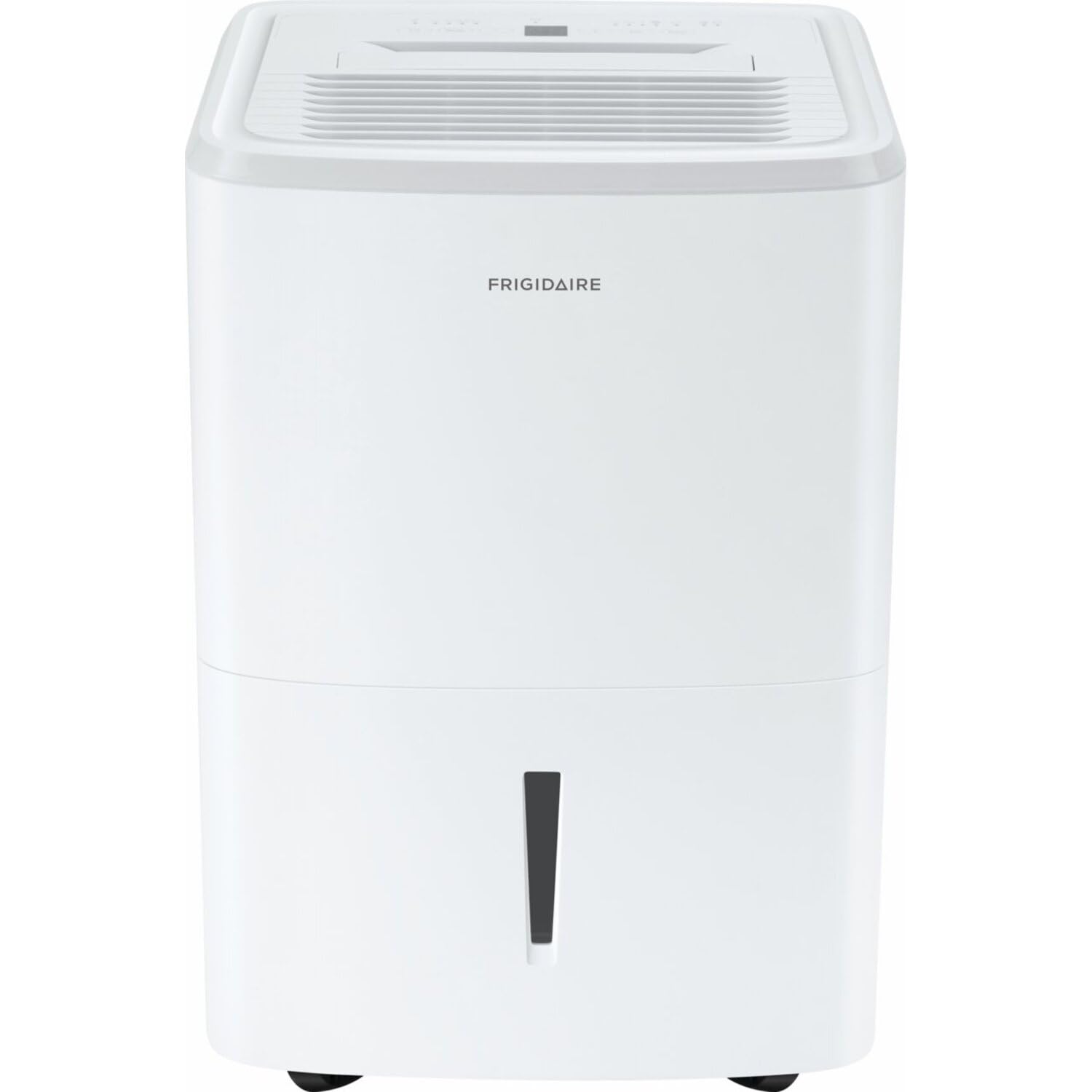
Product comparison
The two models
Product A
Frigidaire FHDD3534Y1
Best fit: Rooms where a 35-pint extraction class is enough
Why choose it: Mid-capacity moisture removal for persistent moderate dampness
Main trade-off: May not keep up with a consistently very wet basement
Last checked price
Price not verified
Product B
Frigidaire FHDD5034Y1
Best fit: Wetter basements needing a larger extraction class
Why choose it: 50-pint-class removal with a 2.7-gallon bucket
Main trade-off: Additional capacity brings little benefit for a moderately damp room
Last checked price
$400.00
Paid link · PIQSY may earn a commission
Some shopping links may pay PIQSY a commission if you make a qualifying purchase. Editorial assessments remain independent. Affiliate disclosure
What matters when choosing
Choose the FHDD3534Y1 for a moderately damp room where a 35-pint-class appliance matches the workload. Choose the FHDD5034Y1 for consistently high humidity or a wetter basement where 50-pint-class extraction is justified. Choose neither if the water source is an active leak or if your only workable drain is uphill and you need a built-in pump.
What you'll actually notice
These Frigidaires serve different moisture loads. The FHDD3534Y1 is certified at 35.85 pints/day; the FHDD5034Y1 at 49.71 pints/day. The numbers represent daily moisture removal under the applicable ENERGY STAR test method, not bucket sizes or a guarantee about any particular room.
Both have manufacturer-listed Wi-Fi control. That makes this less a smart-feature decision and more a sizing and water-handling choice. The 50-pint model may cope more comfortably with a heavy moisture load, while the 35-pint alternative avoids choosing the higher capacity just because a bigger number feels safer.
What changes the choice
How wet is the room really?
Start with the room, not the product label. A space that becomes slightly clammy when windows stay closed is different from a basement whose humidity surges after every storm. A larger floor area can matter, but actual moisture entering the room, ventilation and temperature also matter.
If the space is moderately damp and a smaller machine can keep humidity comfortable, the 35-pint FHDD3534Y1 is a plausible fit. If you're regularly dealing with heavy moisture loads or an unfinished basement that stays damp all summer, the 50-pint FHDD5034Y1 becomes more compelling. If water is visibly entering through a wall, treat that as a building problem that a dehumidifier can only help manage afterward.
Don't assume a unit will remove its stated daily pints every day. As the room dries, moisture collection naturally falls. Cold weather or poor airflow can change the result too.
Daily extraction and the bucket are different decisions
The 50-pint FHDD5034Y1 has a documented 2.7-gallon removable bucket. That is a useful feature if you intend to carry away water manually, but it may become heavy when full. The 35-pint FHDD3534Y1 has a different tank and cabinet arrangement; without an exact confirmed figure here, we won't invent a gallon comparison.
Before buying either, check where it will sit and where the tank can be emptied. Can you pull the bucket out without moving the machine? Will you carry it up stairs? Do you have a proper floor-level drain where a gravity hose would make bucket size less important?
A large tank can reduce trips to the sink, but it can't solve an uphill drain. Neither of these two Frigidaire models has a built-in pump.
Wi-Fi is shared, not an upgrade path
Both exact models support Wi-Fi, so remote control shouldn't be used to justify the 50-pint unit. If you simply like monitoring a machine from upstairs, either can offer that convenience. Ask whether you will use the feature at all: in a laundry room you pass daily, a basic control panel may be perfectly adequate.
The larger FHDD5034Y1 also offers advanced filter compatibility according to its published model specifications. That is a real equipment difference, but it is useful only if you're prepared to use and maintain the accessory. Don't confuse dehumidification with full-room air purification.
The efficiency figures don't create a winner
Both have an ENERGY STAR integrated energy factor of 2.01 liters per kilowatt-hour. This tells you something about standardized water removal efficiency; it does not mean your monthly electricity costs will be identical. A larger machine may run differently in a particular room, and one may cycle more or less often depending on humidity conditions.
The correct first question is whether the room needs 35-pint or 50-pint extraction. That shared efficiency number doesn't make the larger model a better value or guarantee a lower bill from the smaller one. Choose the size your room needs first; the running cost depends on how the machine is actually used.
Fit, sound and temperature still matter
Measure the available footprint and clearance before you shop. Leave access to filters and the tank and provide the airflow required by the manufacturer's manual. Some basement corners look spacious until a door or cabinet gets in the way of emptying the bucket.
Both are compressor-based appliances that produce sound and heat during operation. Exact independent measurements are not available here to declare one whisper quiet or especially suitable next to a bed. If the basement regularly becomes very cold, read the exact operating-temperature guidance rather than assuming a bigger pint rating will handle frost better.
The practical choice
Use a hygrometer to understand the humidity in the room you care about. Look for a pattern over several days, especially after rain and during laundry use. Determine whether the issue is an unusually high moisture load or a source you can fix through ventilation, sealing or repairs.
Only then choose a capacity. A 35-pint model can be sensible for moderate dampness. A 50-pint unit can be justified when moisture removal is genuinely demanding. Consider the path for removing the collected water, because a well-sized machine with a perpetually full bucket doesn't help.
When to choose FHDD3534Y1
Pick the 35-pint Frigidaire when you want meaningful extraction beyond a compact machine without buying the larger class unnecessarily. Its Wi-Fi support means you don't surrender connected convenience. Confirm its exact tank size if manual emptying is central to the decision.
When to choose FHDD5034Y1
Choose this 50-pint Frigidaire for a consistently wetter space where higher daily extraction matters. Its 2.7-gallon bucket and compatible advanced filter are useful extras, as long as the physical placement and lifting routine work for you.
Choose neither when
If you need to pump collected water into an elevated drain, consider the Midea MAD50PS1QWT-A or another exact pump-equipped model. And if moisture is coming through an active leak, fixing the water entry is a prerequisite—not something a larger bucket can replace.
PIQSY conclusion
The FHDD3534Y1 is the middle-ground choice for a moderate room; the FHDD5034Y1 is the higher-capacity option for heavier dampness and a larger manual bucket. Both offer Wi-Fi and both publish the same integrated efficiency factor. Buy the capacity the room actually requires, not the model with the most impressive number in its name.
Verify exact US model numbers, installation specifications and current seller terms before purchasing. A dated listed price does not prove today's stock or checkout total.
Final comparison
Which fits your priorities?
Product A
Frigidaire FHDD3534Y1
Choose when: The difficult dehumidifier purchase is often the middle one.
Read Verdict →Product B
Frigidaire FHDD5034Y1
Choose when: There are two ways to make a dehumidifier less annoying: give the water a suitable drain, or make the removable bucket large enough that you don't visit it constantly.
Read Verdict →Product details
Model details
See available model specifications
| Detail | Frigidaire FHDD3534Y1 | Frigidaire FHDD5034Y1 |
|---|---|---|
| US model | FHDD3534Y1 | FHDD5034Y1 |
| Brand | Not recorded | Frigidaire |
| Color | Not recorded | White |
| Special Feature | Not recorded | Automatic Moisture Removal, Continuous Draining, Programmable |
| Capacity | Not recorded | 50 pints |
| Tank Volume | Not recorded | 2.7 gallons |
| Product Dimensions | Not recorded | 12.19"D x 24.25"W x 24.25"H |
| Number of Speeds | Not recorded | 3 |
| Recommended Uses For Product | Not recorded | Residential |
| Included Components | Not recorded | Air Filter, Tank |
| Item Weight | Not recorded | 44.5 pounds |
| Other Special Features of the Product | Not recorded | Automatic Moisture Removal, Continuous Draining, Programmable |
| Wattage | Not recorded | 470 watts |
| Operation Mode | Not recorded | Standard |
| Air Flow Capacity | Not recorded | 235 cfm |
| Dehumidification Capacity | Not recorded | 50 pints_per_day |
| Voltage | Not recorded | 115 volts |
| Item Dimensions D x W x H | Not recorded | 12.19"D x 24.25"W x 24.25"H |
| Brand Name | Not recorded | Frigidaire |
| Model Name | Not recorded | 50 Pint 4,500 sq ft Dehumidifier |
| Model Number | Not recorded | FHDD5034Y1 |
| Manufacturer | Not recorded | Frigidaire |
| Warranty Description | Not recorded | 1 year limited |
| UPC | Not recorded | 012505285943 |
| Manufacture Year | Not recorded | 2025 |
| Number of Items | Not recorded | 1 |
| Number of Packs | Not recorded | 1 |
| Item Highlight | Not recorded | Portable, Quiet, Energy Efficient, Humidity Absorber, Moisture Extractor, for Bedroom Living Room Garage Attic Crawl Space |
| Unit Count | Not recorded | 1 Count |
| Item Type Name | Not recorded | Frigidaire 50 Pint Portable Dehumidifier with Wi-Fi and Auto Shut Off |
| Part Number | Not recorded | FHDD5034Y1 |
| GTIN | Not recorded | 012505285943 |
Source: exact-US retained listing observations (latest checked 11/3/2026). Check current configuration with the manufacturer; these are not comparative performance tests.
Keep comparing
Related comparisons worth checking.
Our research approach
How to interpret the product details.
Our research approach
How to interpret the product details.